By Khor Pei Shi, an Internship student from Universiti Malaysia Terengganu
During my industrial training at UPM-MAKNA Cancer Research Laboratory (CANRES), Institute of Bioscience, Universiti Putra Malaysia (UPM), I had the invaluable opportunity to step into a professional cancer research environment and transform the theoretical knowledge gained during my undergraduate studies into practical laboratory skills. The experience allowed me to explore mammalian cell culture, cancer research techniques, and cell-based assays while developing greater confidence in working independently in a research laboratory.
A significant part of my training involved mammalian cell culture. I gained hands-on experience in preparing complete culture media, reviving cryopreserved cells, maintaining cell cultures, performing subculturing, cell counting, and cryopreservation. I had the opportunity to work with various cell lines, including MCF-7, MCF-10A, T47D, T47D TAM2, MCF-7 TAM1, MDA-MB-231, SH-SY5Y, HepG2, HaCaT, and 3T3 cells. Regular observation using an inverted microscope helped me understand differences in cell morphology, confluency, and overall cell health. These activities also strengthened my understanding of aseptic techniques and the importance of maintaining healthy and contamination-free cultures.
One of the most valuable experiences was learning three-dimensional (3D) spheroid generation using ultra-low attachment plates. Unlike conventional two-dimensional cell culture, 3D spheroids provide a more representative model of the tumour microenvironment. I learned that factors such as cell type, seeding density, and culture conditions can influence spheroid formation and size. Although achieving uniform spheroids was challenging, the experience taught me the importance of patience, consistency, and optimization in laboratory research.
I was also involved in several cell-based assays used in cancer research. I gained practical experience in performing MTT and resazurin assays to evaluate cell viability, as well as scratch assays to investigate cell migration. Through these experiments, I learned how careful cell preparation, accurate pipetting, consistent treatment conditions, and appropriate observation are essential for obtaining reliable results.
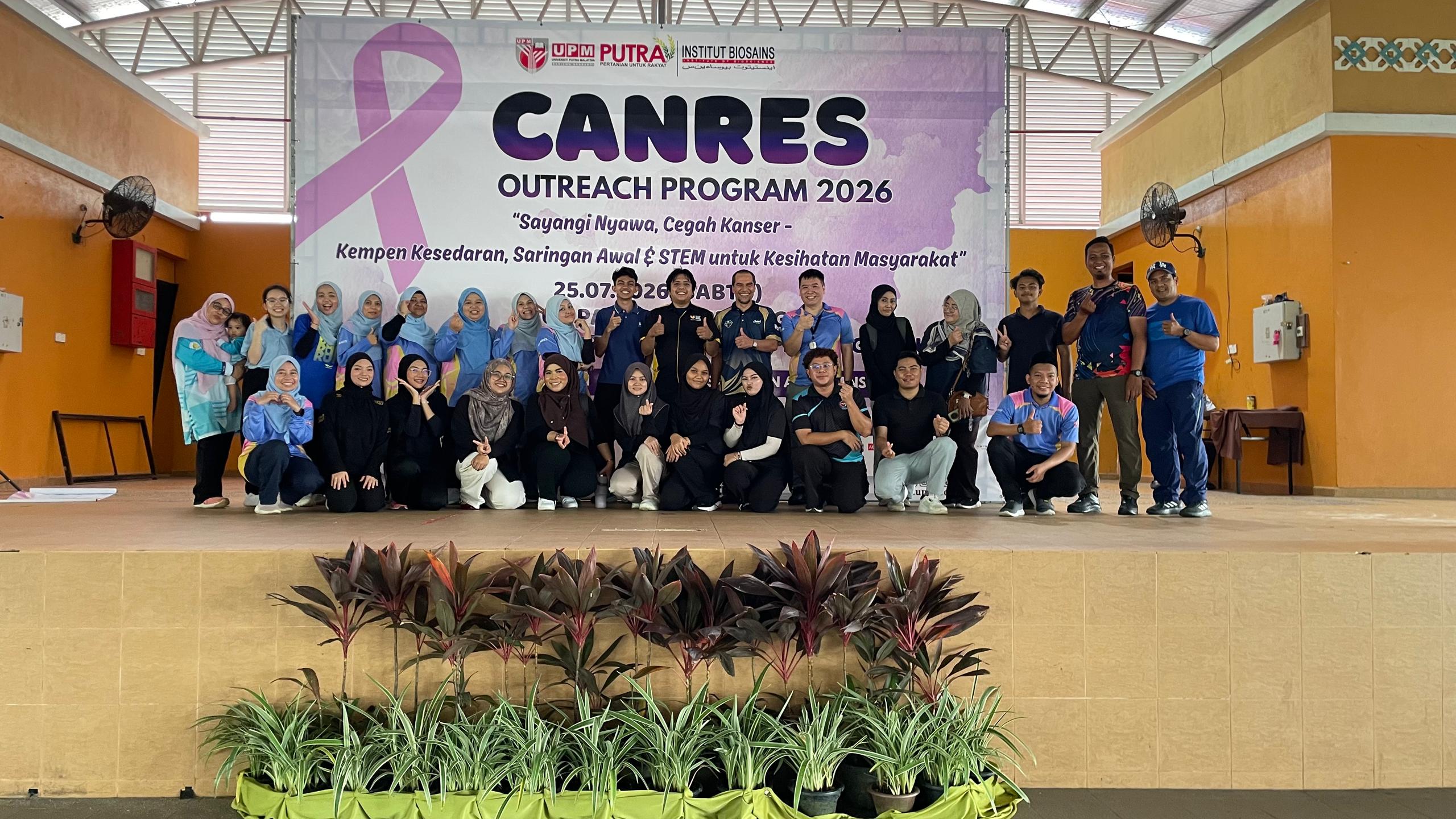
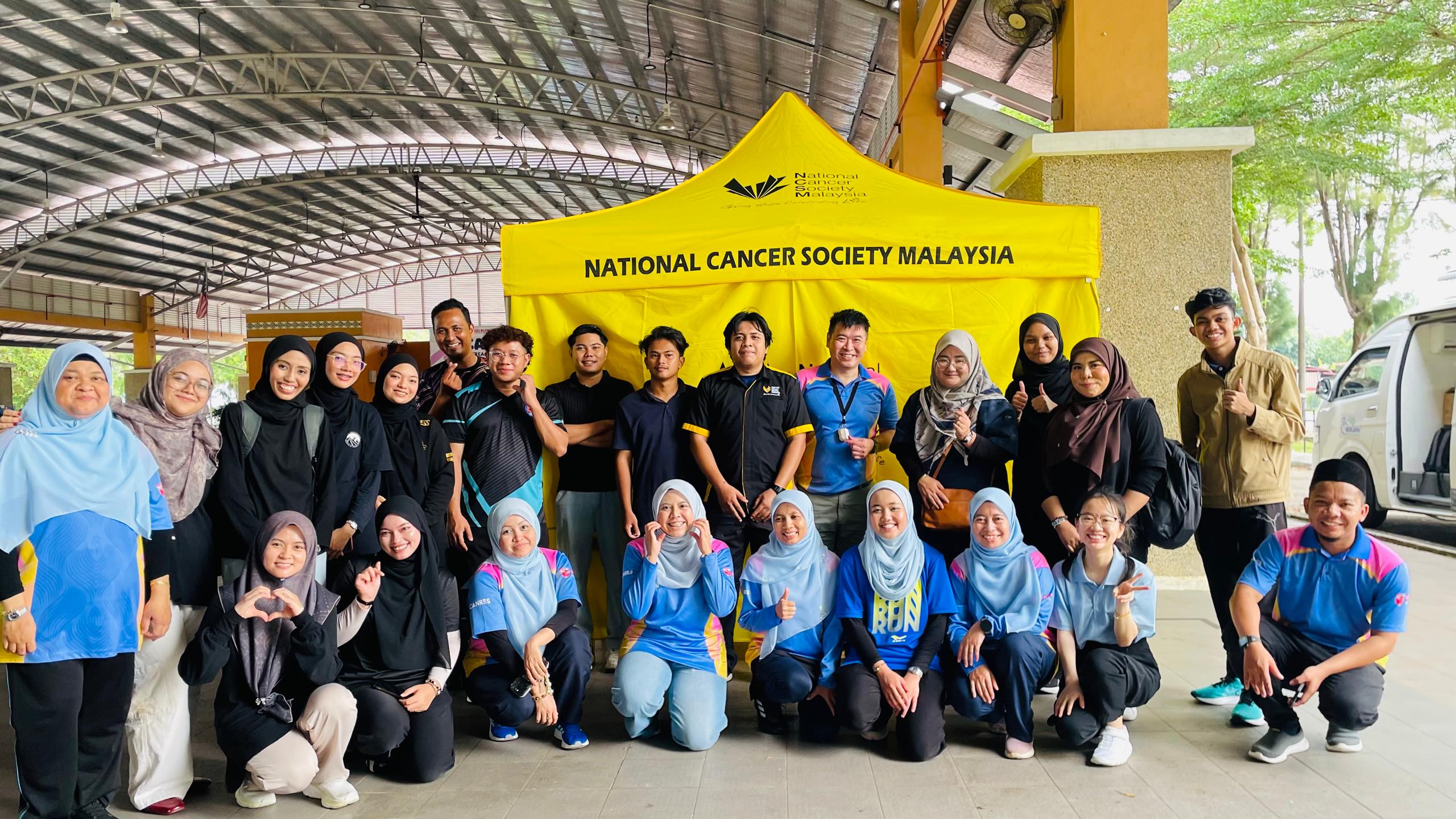
Beyond laboratory work, I also had the opportunity to participate in the CANRES Open Day and CANRES Outreach Programme 2026. These activities allowed me to experience a different aspect of cancer research by contributing to science communication and community engagement. I was involved in preparing promotional materials such as brochures, banners, and buntings, as well as participating in programme meetings, discussions, and activities. Interacting with the public gave me a better appreciation of the importance of communicating scientific knowledge in a simple and accessible way. These experiences also strengthened my communication, teamwork, and organizational skills, while allowing me to understand how cancer research can connect with and benefit the wider community.
I would like to express my sincere gratitude to my industrial supervisor, Assoc. Prof. Dr. Chia Suet Lin, for his continuous guidance, patience, and encouragement throughout my internship. His willingness to share his knowledge and research experience greatly enriched my learning journey. I am also deeply grateful to the researchers, laboratory officers, postgraduate students, and staff members at CANRES for their kindness, assistance, and support throughout my time in the laboratory.
Overall, my industrial training at CANRES was an enriching experience. It strengthened my technical skills in cell culture and cancer research, improved my confidence in performing laboratory procedures, and allowed me to experience both the scientific and community aspects of cancer research. Most importantly, this journey deepened my interest in cancer research and provided me with a strong foundation for my future academic and professional development in the life sciences.
Date of Input: 03/09/2026 | Updated: 03/09/2026 | azah
MEDIA SHARING