By Dr. Kartini Jasni
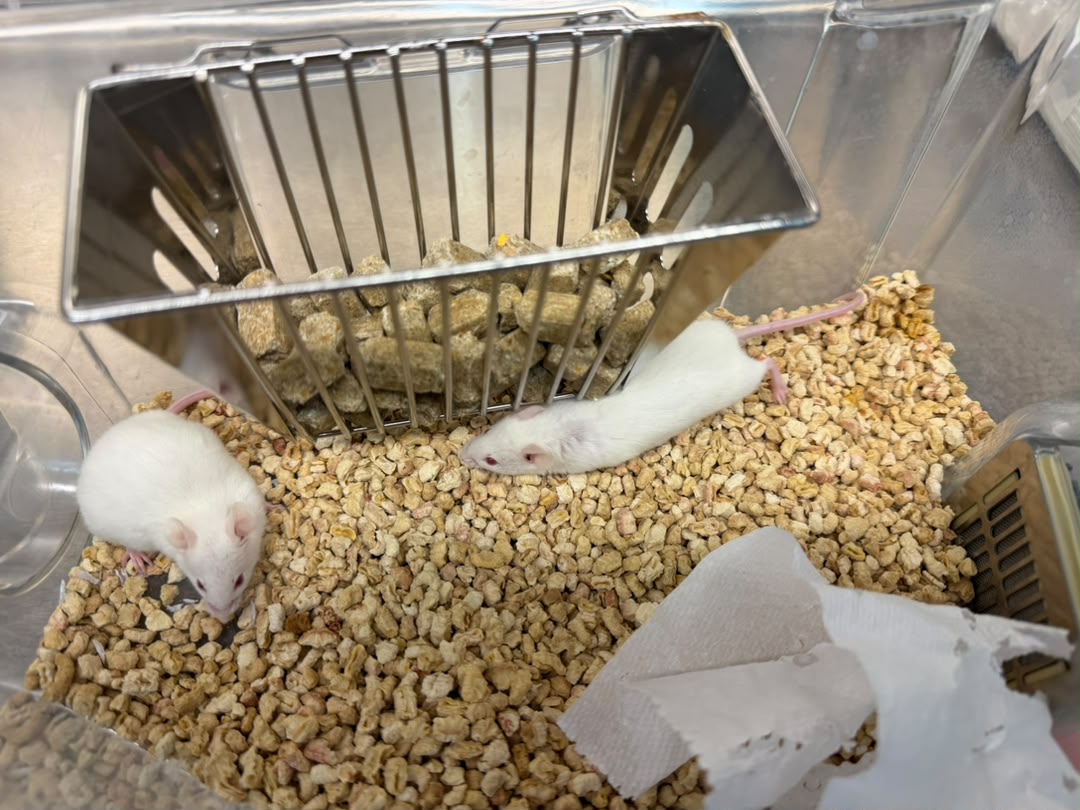
Rodents such as mice and rats are widely used in research to help scientists better understand diseases and develop new treatments. Proper breeding and care of these animals are important to ensure they are healthy, and suitable for research. There are several common breeding methods, such as monogamous mating, polygamous mating, in vitro fertilization, and backcrossing, each with its own advantages and disadvantages.
Monogamous mating, or known as pair mating, is the most common breeding method whereby one male and one female are housed together, often for life. This method is ideal for inbred strains such as BALB/c mice because it produces more reliable and consistent litter. Consistent mating (often called continuous mating or constant cohabitation) refers to always keeping male and female mice together in the same cage, allowing the female to mate again immediately after giving birth.
The disadvantages of this method include slow genetic progress, as mice bred using this method change or improve at a very slow pace. In other words, it takes a long time (many generations) to successfully breed mice that consistently carry the desired traits, physical features, or genetic mutations. Another disadvantage of this method is its limited reproductive rate, as only a single female is used. In addition, superior male animals are underutilized, and the maintenance costs are higher breeding is carried out using exactly one male with one female per cage. This results in increased equipment, food, and housing costs, as more cages must be maintained and cleaned, twice as many male breeders are required, and valuable space that could otherwise house multiple females is underutilized.
Polygamous mating, or known as harem or trio mating, is a breeding method in which one male is housed together with two or three females. This method maximizes the use of the valuable male animals and increases pup production, depending on the species of the laboratory animal. However, one disadvantage of this method is reduced genetic diversity because a single male sires a large proportion of the offspring. This unequal reproduction may overrepresent one male's genetics, narrow the gene pool, and accelerate accidental inbreeding among closely related pups.
For larger breeding facilities, high-end technologies such as in vitro fertilization (IVF) are commonly used. IVF can produce approximately 100 eggs per female and often utilizes frozen-thawed sperm obtained from a good source of male animals. The advantages of this method include overcoming infertility and enabling animals with physical reproductive issues to produce biological offspring. This method preserves genetics by freezing sperm or eggs from deceased or distant elite animals. However, this method is very expensive and requires specialized, well-equipped laboratories as well as highly trained technicians.
Backcrossing is a breeding strategy used to transfer specific genes or transgene onto a defined genetic background, which is essential in creating congenic strains such as NOD.B10 congenic mice. One advantage of this method is the ability to isolate certain strain by ‘moving’ a specific desirable trait from a wild breed into a high-producing commercial breed. It also helps to recover the ‘elite’ genetic background of a parent strain and keeping the newly introduced beneficial gene. The disadvantages of this method include the possibility of accidental undesired recessive genetic defects to the progeny. In addition, it is a time-consuming method because it may take up to 5-7 generations to recover the donor’s original genetic quality fully.
In conclusion, animal breeding programs must be designed thoughtfully by balancing operational capacity with the precise needs of scientific research. No single breeding method is universally perfect. However, by thoroughly understanding the mechanics, strengths, and limitations of each method, researchers can deploy the right strategy to achieve their specific experimental goals. Ultimately, the most successful animal breeding program is one that effectively aligns the chosen breeding methodology with the precise objectives of the study.
References:
1. Fujikura, Takao, Hovel, G. J. R, Hänninen, O, Pelkonen, K & World Health Organization. Veterinary Public Health Unit (1993). Guidelines for breeding and care of laboratory animals. World Health Organization. World Health Organization. https://iris.who.int/handle/10665/59521
2. James J. Elliott, Charles T. Miller, James A. Hagarman, Stephen T. Kelley, Suzette D. Tardif, Sander O. Hacker, and Amanda Bettis, (2018), Chapter 29: Management of research animal breeding colonies, Management of Animal Care and Use Programs in Research, Education, and Testing. 2nd edition, National Library of Medicine.
Date of Input: 27/07/2026 | Updated: 29/08/2026 | azah
MEDIA SHARING